
Upgrade your kitchen results with the right baking sheet to ensure golden edges and even centers on all your favorite homemade cookies and roasted meals.
Selecting the right baking sheet depends on your main recipes and oven dimensions. Heavy aluminum pans distribute heat evenly for superior browning, while rimmed edges prevent spills during roasting. Choose sturdy commercial thickness to prevent warping at high temperatures and ensure years of reliable baking performance.
Read The Full Guide
Understanding Metal Materials
Pure aluminum offers exceptional thermal conductivity for uniform baking results. Stainless steel provides rust resistance and durability for daily kitchen tasks. Heavy gauge metals resist warping and maintain flat surfaces over time.
Rim Styles And Sizes
Rimmed baking sheets contain juices from roasting meats and vegetables safely. Flat cookie sheets allow easy sliding access for delicate baked goods. Selecting correct oven dimensions ensures proper air circulation around the pan.
Surface Finishes And Care
Natural aluminum surfaces brown baked goods efficiently without special coatings. Silicone baking mats create nonstick barriers for sticky dough and candy making. Hand washing extends the lifespan of your metal bakeware.
Matching Pans To Recipes
Light colored metal prevents delicate cookie bottoms from burning too quickly. Jelly roll pans feature shorter sides ideal for sponge cakes and roasting small portions. Dedicated sheet pans keep savory garlic flavors away from sweet treats.
Quick Buying Checklist
- Select heavy gauge aluminum for superior heat distribution and even browning.
- Choose rimmed edges to contain savory juices and prevent messy oven spills.
- Add nonstick silicone mats for effortless food release and quick cleanup.
Top Picks To Compare
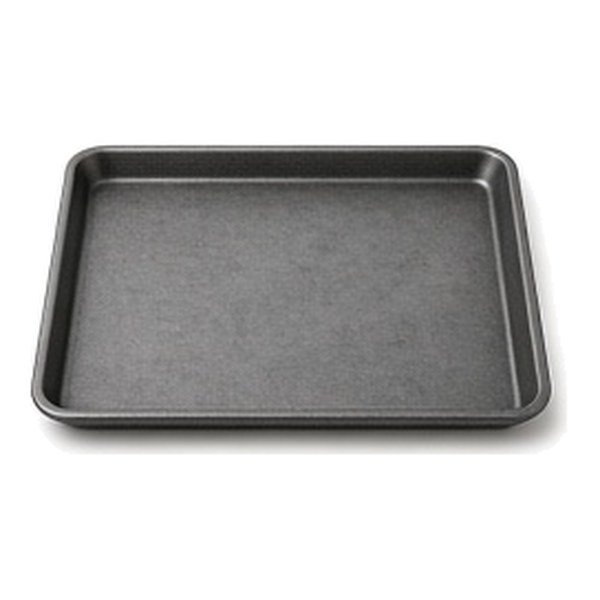
Aluminum Baking Sheets
Check the thickness to ensure long term resistance against high heat warping.
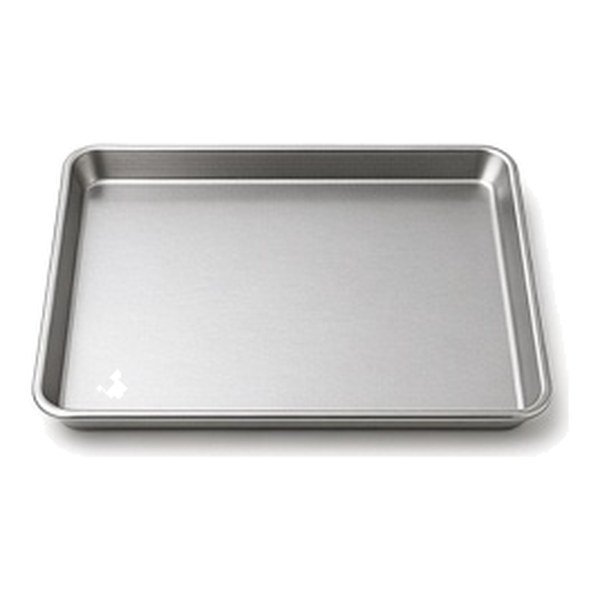
Stainless Steel Sheets
Verify the grade of steel for maximum rust prevention and durability.
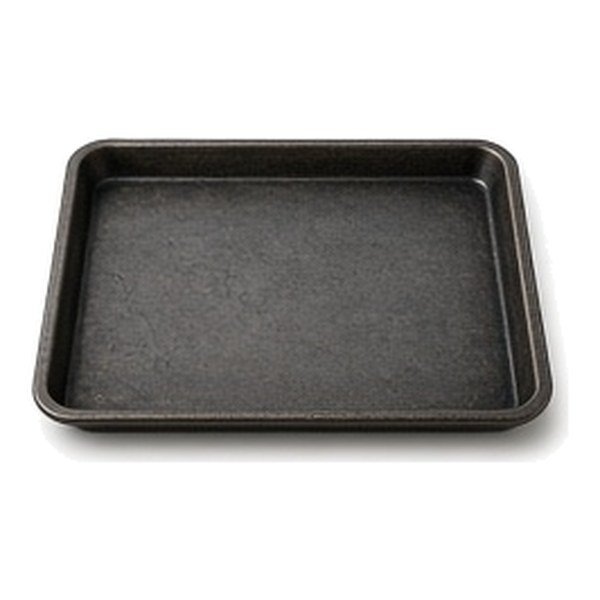
Jelly Roll Pans
Confirm the rim height matches your favorite cake and roasting recipes.
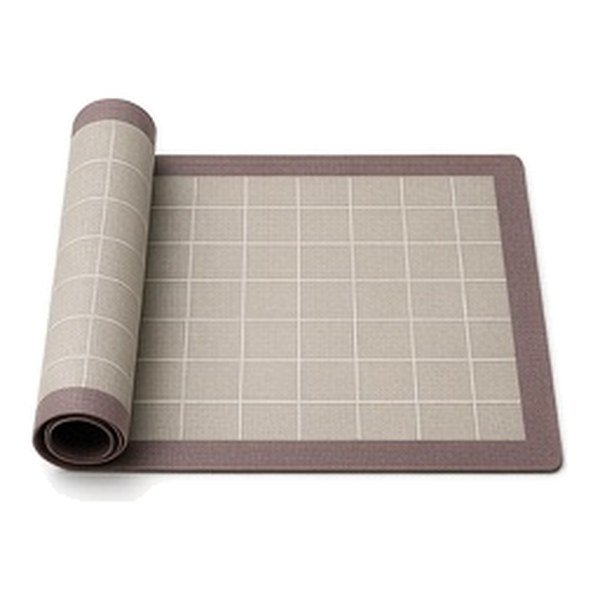
Silicone Baking Mats
Measure your pan interior carefully to ensure a flat fit without curling edges.
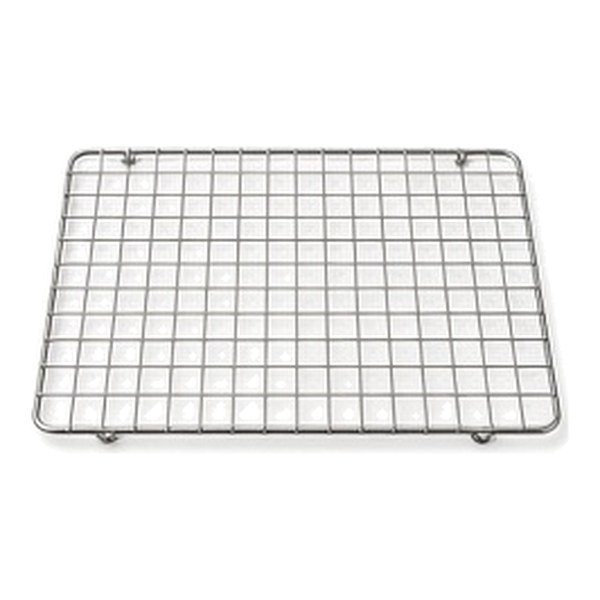
Wire Cooling Racks
Look for crossbar reinforcement to support heavy roasts without sagging.
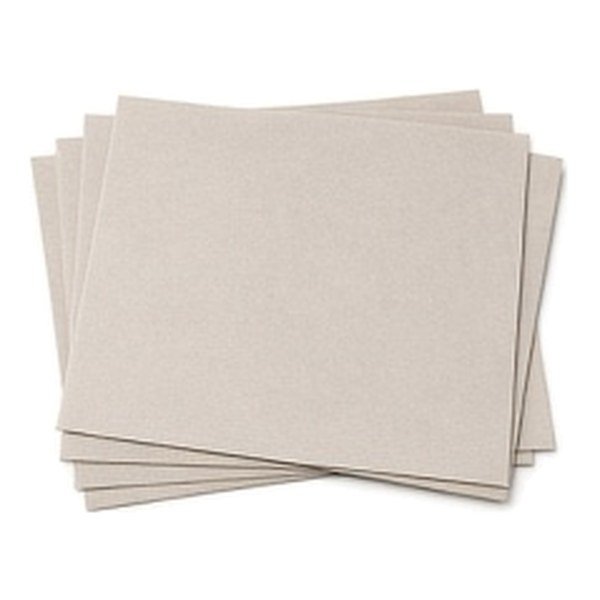
Parchment Paper Sheets
Choose pre cut sizes that match your pan dimensions for effortless cleanup.
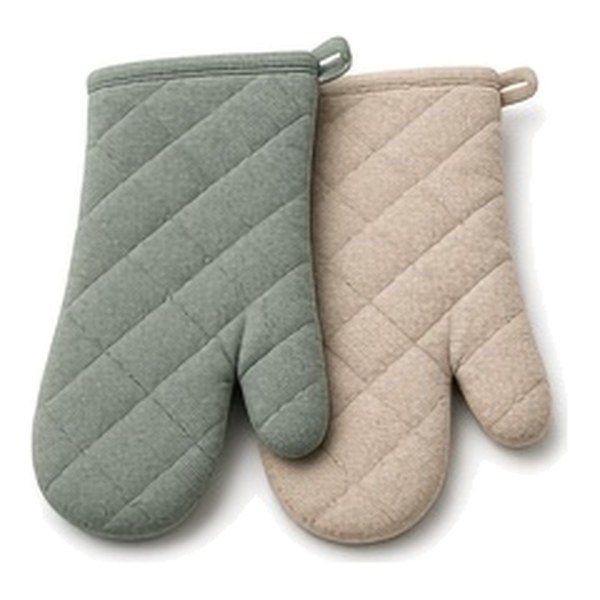
Oven Safe Mitts
Check the temperature rating to ensure safe handling of hot baking sheets.
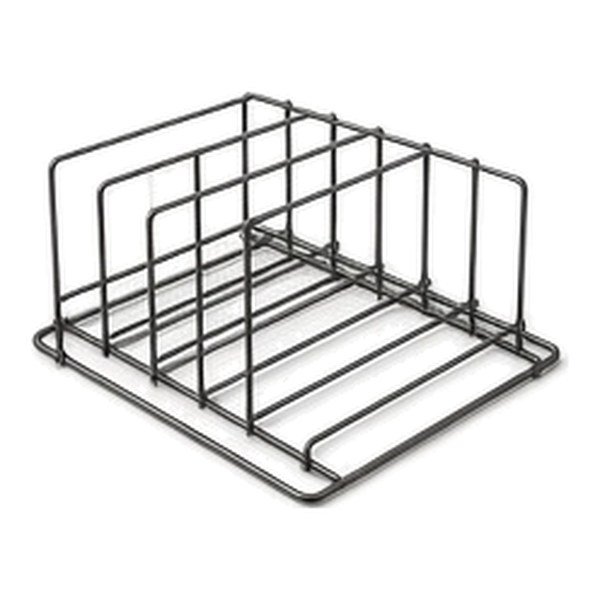
Bakeware Storage Racks
Measure your kitchen cabinet height and depth before purchasing storage.
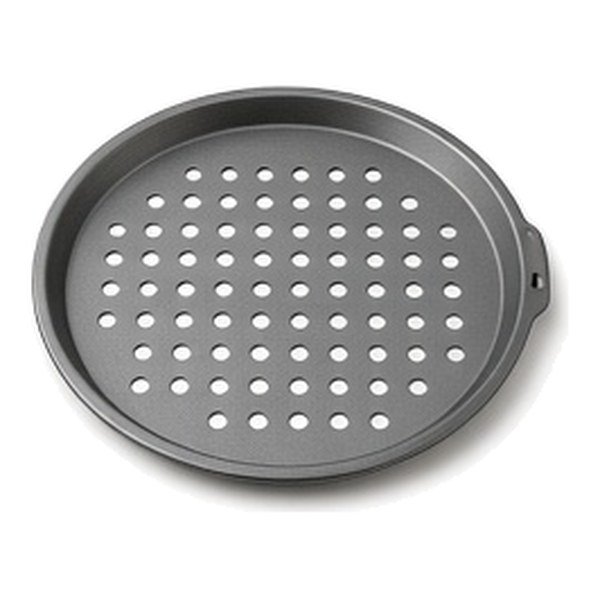
Questions Shoppers Ask
What Is The Best Type Of Baking Sheet?
Heavy gauge aluminum is widely considered the best choice because it distributes heat evenly and prevents hot spots.
What Color Baking Sheet Is Best For Cookies?
Light colored aluminum baking sheets are best for cookies because they reflect heat and prevent the bottoms from burning.
What Size Baking Sheet Fits In Oven?
Standard half sheet pans measure around eighteen by thirteen inches and fit comfortably inside most residential ovens.
When To Use Baking Sheet Vs Aluminum Foil?
Use a sturdy baking sheet for structural support during baking and roasting, while foil is best used for lining pans to ease cleanup.